Sunday, June 14, 2015

An Unexpected Family Connection!


This is the home of Heber C. Kimball and his wife Vilate Kimball. It is one of my favorite sites to serve in because of a new found connection between my ancestors, the McBrides, and thier son David Patton Kimball. The McBrides were part of the Wille Martin Handcart Company of 1856 that left late to cross from Iowa to the Salt Lake Valley. I knew that Brigham Young had sent a rescue party out from Salt Lake and that 27 of them had met up with the near frozen and starving Saints at the Sweetwater River. It was then that 4 young men from the rescue party carried the women and children across the freezing river all day until all were on the other side. What I didn't know was that David Patton Kimball was one of those boys, 17 years old at the time, who would have helped carry my 2nd great grandfather and his newly widowed mother and siblings across the river. To say I am very grateful for his service and sacrifice isn't really enough. To serve in his families home here in Nauvoo is a sacred privilege.

Friday, May 29, 2015

A Surprising Relative!


Last week, I met a couple who had been doing some family history research and found out that they had a Mormon ancestor in the 1840's. They didn't know very much about the church but they did find out that this ancestor had lived in Nauvoo so they came to see what it was all about. I was at the Lands and Records office that day and helped them find the property their ancestor and his 3 sons had owned. They were so excited as we plotted out the property on a map so they could go find it in historic Nauvoo of today. We even had a chance to talk about the faith in Jesus Christ that brought the Mormons to Nauvoo in the first place. They were very glad they had come and hoped to be able to come back to see more. Being a missionary and sharing the gospel is great!!

Thursday, May 7, 2015

Both of us at the Nauvoo Family Living Center!


One of the 6 learning areas at this site is how the Saints made bread. Bread was a staple to them - just like their faith in Jesus Christ as the Bread of Life. These loaves I'm kneading get baked in an "oven" built into the fireplace. The guests get samples of this delicious bread made daily by missionaries just like me. 

I caught Elder Walton explaining how barrels were made. It was a 7 year apprenticeship to become a Cooper (barrel maker)! Some of the other sites are pottery, candle-making and weaving.  

Between guests, I learned how to make a shawl pioneer-style. It was alot of fun weaving that long hook over and under the cross yarns. 

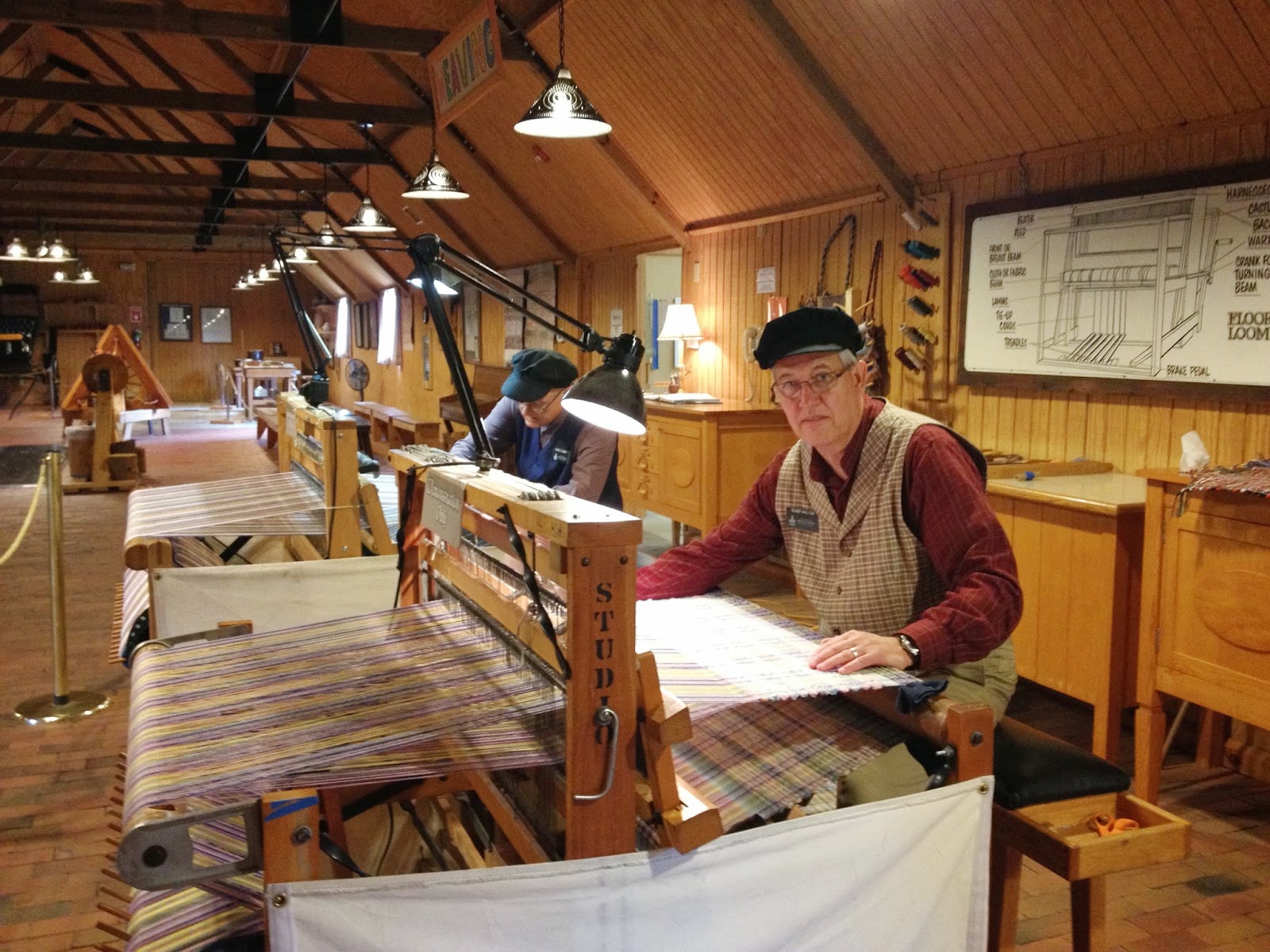
Rugs and table runners are made on these looms. It takes 3 hours to load the loom with over 300 threads.

Lots of guests like making their own rope with this awesome "rope-maker"- Elder Walton and the cool contraption he's working with. 


Friday, May 1, 2015

Photos around Nauvoo

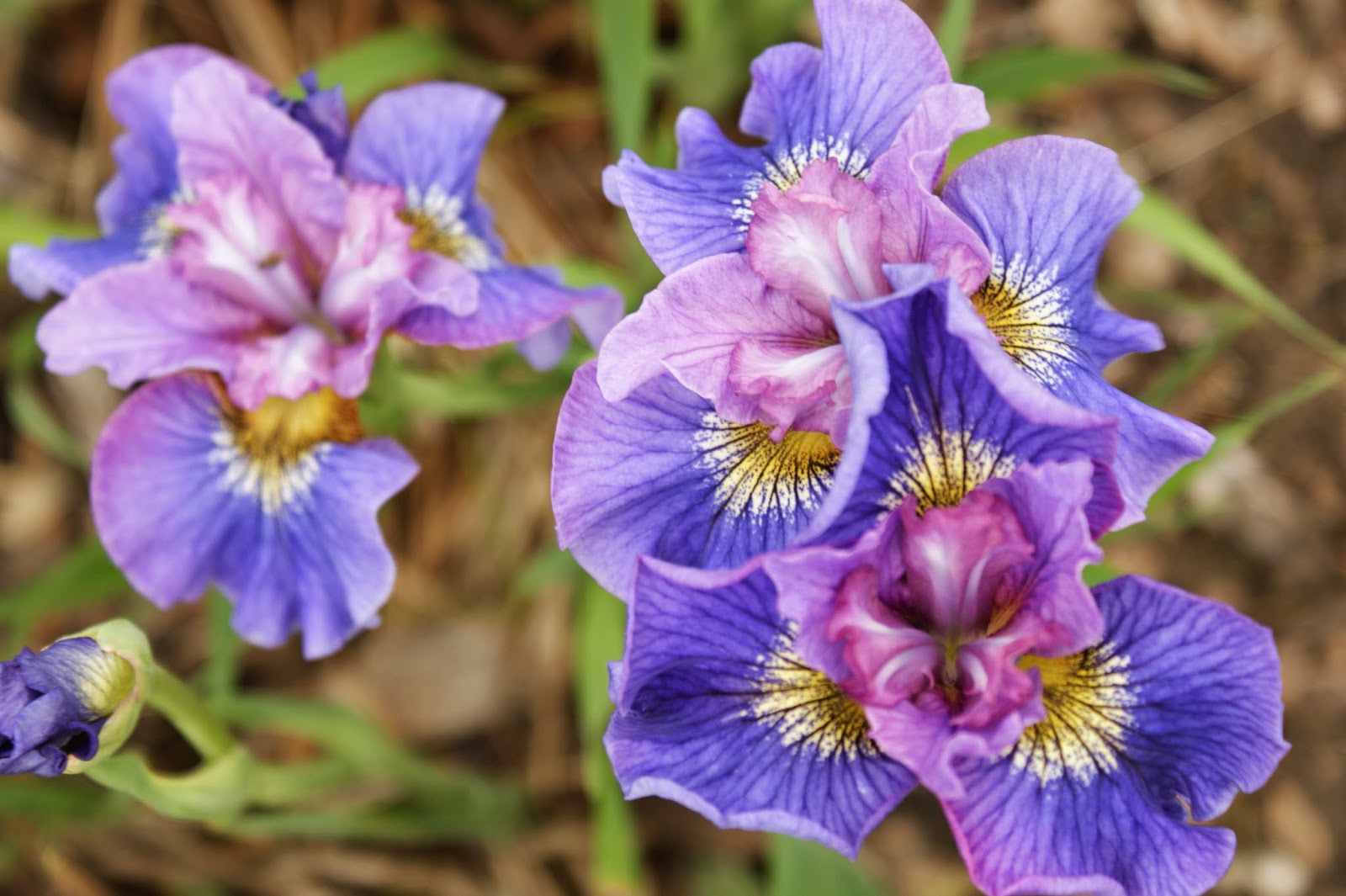
It's the time of year that the dogwood flowers. We've seen them in pink and white. 


We were up by the Nauvoo Temple last night. 

The statues of Joseph and Hyrum Smith look so real in this light. 


This is the view of the Temple from the East side. 

This is a statue at the Old Nauvoo Cemetery.

There are only a few markers left at the Cemetery. From journals, they have a very good idea of who was buried here but it's not known exactly where they are buried.  

You can see the huge lock that lets the tugs and barges through. 

This is a part of the dam across the Mississippi at Keokuk, Iowa. 

On Sunday afternoon, we drove to Carthage, Illinois. Behind the statue of Joseph Smith and his brother Hyrum is the Carthage Jail where they were both martyred by a mob 27 June 1844.


Saturday, April 25, 2015

That Will be 6 Cents Please!

Another one of the historic sites in historic Nauvoo is the Post Office. It was so much fun explaining the creative way people wrote to get as much information on one side of a piece of paper so the letter would only cost 6 cents. The price went up if the letter was being delivered farther away. If the letter was going farther than 400 miles (like back to England) then it would cost 25 cents. That's alot since one dollar was a day's wage in 1840's.  If the information you wanted to mail was really important, you might write 2 letters and send one by steamboat, one by stagecoach to help ensure it arrived at it's destination safely. There were many hazzards along the way in those days. It was fun to tell people that we don't have to worry about those hazzards when we communicate with Heavenly Father through prayer. We can just use "knee-mail".


The visitor's also get to see the Fredrick Merryweather Dry Goods Store which shows people the various things that were available in the 1840s. The neatest thing was a "chalk box" for marking a line when building except they used red berry juice instead of chalk! Who knew!?


Thursday, April 23, 2015

Bryce (Elder Walton) working in Webb's Blacksmith Shop!

In the blacksmith shop you demo making small "horseshoes" and "prairie diamonds". It takes quite a bit of practise to get good at it. 


Skilled blacksmiths made tools, latches, candleholders, horse and oxen shoes and iron parts needed to build wagons. 


In 1846, under the Lord's direction, Brigham Young asked the Saints to build wagons and prepare to leave Nauvoo.